**Updated for 2026
Sleep, Spinal Health, and the Truth About Mattresses: How to Finally Wake Up Pain-Free
Most people think their mattress is the reason they sleep poorly. And while a worn-out, sagging mattress absolutely can worsen your sleep, the real story is bigger—and far more important for your long-term health.
I was reminded of this again recently when a long-time patient came in after another terrible night. He described the familiar routine many Canadians know too well: tossing and turning, doing the “2 o’clock fling” to try to get comfortable, and eventually ending up on the floor because the mattress was “too soft, too hot, too saggy, too stiff, and too painful.”
He blamed the mattress.
But as we dug deeper, it became clear the mattress was only part of the problem.
He was trying to force his sleep environment to work around a spine that wasn’t aligned—and the body never sleeps well when the nervous system is under stress.
This is why so many people spend thousands on expensive mattresses, “space-age foam,” cooling toppers, adjustable bases, and countless pillows… yet still wake up in pain.
Let’s break down what the research actually says about mattresses, pillows, spinal alignment, and sleep quality—and how to make changes that actually work.
Why Your Mattress Isn’t the Whole Story (Even Though It Matters)
Mattress companies market heavily, and they’re good at it. Every year a new “revolutionary material” promises pressure relief, deeper sleep, or “NASA-level technology.” Yet so many people still wake up sore, stiff, and exhausted.
Here’s the real problem:
If your spine is out of alignment while you’re awake, it will be even more misaligned while you’re asleep.
No mattress—no matter how expensive—can correct a spinal distortion, forward head posture, scoliosis, hyperkyphosis, or segmental instability.
But before we dive into the spine, let’s talk mattresses from a practical standpoint.
What Mattresses Actually Do (and Don’t Do)
A mattress has one job:
To support the curves of your spine while keeping your joints in a neutral position.
That’s it.
It cannot:
-
Fix a rotated pelvis
-
Restore your cervical curve
-
Correct forward head posture
-
Stabilize a degenerating disc
-
Balance your nervous system
-
Prevent nerve irritation
But it can either support your spinal correction… or make your misalignment worse.
Memory Foam vs. Coil Spring Mattresses: What Works Best?
Memory foam is comfortable at first, but uncomfortable over time—especially for people with underlying spinal issues. It absorbs heat, collapses slowly under the body, and fails to provide true spinal support as the night progresses.
Patients often tell me they wake up hot, stiff, or “stuck” in one position. That’s exactly what happened to the gentleman who came in after his “floor mattress” night.
Here’s why:
The Problem With Memory Foam
-
It softens with heat, so your body sinks into it unevenly.
-
Your posture changes through the night as the foam collapses.
-
Heavier areas (hips and shoulders) sink too deeply, twisting the spine.
-
Getting out of the bed becomes harder because the foam “holds” you.
-
People with neck, back, or shoulder problems often feel worse in the morning.
The “space shuttle material” is interesting… but, in the bedroom, not very practical.
Why a High-Quality Coil Spring Mattress Still Wins
For most people, the best option remains:
A medium-firm, independent coil spring mattress.
Benefits include:
-
Steady support all night long
-
Better breathability (cooler sleep)
-
More even weight distribution
-
Less sinking, less twisting
-
Better long-term durability
If you want a bit more softness, especially for shoulder or hip pressure when side sleeping, choose:
A pillow top—not a softer mattress.
The foundation should be medium-firm.
The comfort layer can be soft.
How Long Does a Mattress Last? The 10-Year Rule Matters
According to the Better Sleep Council of Canada, a mattress loses 75% of its structural integrity by year 10.
(Reference: bettersleep.ca)
That means:
-
Springs wear out
-
Foam compresses
-
Support disappears
-
Your spine sags
If your mattress is a decade old, no amount of pillow-adjusting or stretching will make it perform like it used to.
Sometimes it really is time for a new mattress.
But most people replace their mattress before addressing their spinal alignment—and the sleep problems don’t improve. That’s where the frustration begins.
The Missing Piece: It’s Not Just the Bed—It’s Your Spine
Many Canadians assume that if they just find the perfect mattress, their sleep will magically improve.
But here’s the truth:
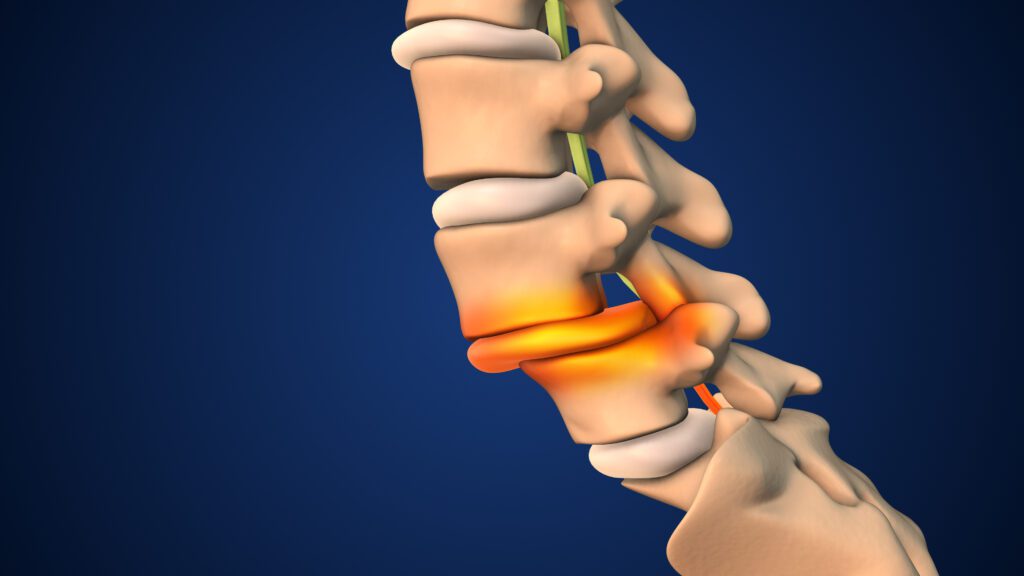
If your spine is out of alignment (subluxated), the nerves will stay irritated no matter how fancy your bed is.
A misaligned spine can cause:
-
Neck stiffness
-
Shoulder pain
-
Numbness or tingling in the arms
-
Headaches
-
Tension between the shoulder blades
-
Hip or low-back pain
-
Restless sleep
-
Waking up multiple times
-
Morning soreness
-
Feeling “tired but wired”
You can chase mattress upgrades all day long, but if your nervous system is overworked, compressed, or inflamed, you will not sleep well.
Why?
Because sleep is a neurological process.
Your body needs to switch from “fight-or-flight” to “rest-and-digest.”
Misalignment of the spine—especially in the cervical and thoracic regions—activates stress pathways.
If your nervous system is stressed, you will be stressed.
And stressed people do not sleep deeply.
The Most Common Sleep Position Mistakes (And What They Do to Your Spine)
Sleep position matters far more than most people realize.
1. Stomach Sleeping: The Most Damaging Position
The Canadian Living article you referenced makes one error: it suggests stomach sleeping is acceptable.
It is not acceptable.
It isForces the neck into extreme rotation
-
Drives the head forward (causing forward head posture)
-
Flattens the natural cervical curve
-
Compresses the spinal cord
-
Loads the low back unevenly
-
Increases long-term risk of cervical arthritis
-
Aggravates disc issues
If you want to guarantee early neck degeneration, sleep on your stomach.
Stomach sleeping is the #1 position that destroys the spine.
2. Side Sleeping: Good—But Only With the Right Support
Side sleeping can be healthy when:
-
Your head is level
-
Your shoulders are supported
-
Your hips stay aligned
-
Your neck maintains its natural curve
Without proper support, side sleepers commonly develop:
-
Neck stiffness
-
Shoulder impingement
-
Arm numbness
-
Low-back twisting
-
Pelvic rotation
A proper pillow (we’ll get to this shortly) makes all the difference.
3. Back Sleeping: Best for Spinal Alignment
Back sleeping allows the spine to settle into a neutral position.
But only if your pillow supports the natural cervical curve.
Why Pillows Matter Even More Than Mattresses
You spend one-third of your life with your head on a pillow.
A poor pillow can:
-
Flatten the curve in your neck
-
Push your head forward
-
Rotate your cervical vertebrae
-
Tension the spinal cord
-
Trigger morning headaches
-
Cause shoulder pain
-
Reduce airway space
-
Disrupt your sleep cycles
-
Aggravate neck arthritis
-
Interfere with healing
This is why pillows must be customized, not generic.
And this is where the Headleveler® custom orthopaedic pillow becomes one of the most powerful home-care tools we have for patients.
Why I Recommend the Headleveler® Custom Orthopaedic Pillow
The Headleveler pillow solves many of the issues patients struggle with—neck pain, shoulder pain, tension headaches, and poor sleep posture.
What Makes Headleveler Different?
-
Custom fit
You don’t get a “medium” or “large” pillow.
You get a pillow built for your body: your shoulder width, neck length, head size, and sleeping position. -
Seven chambers of support
These chambers prevent the pillow from flattening or shifting during the night. -
Maintains the natural cervical curve
This is essential for protecting the spinal cord and reducing neck tension. -
Ideal for side and back sleepers
(And helps convert stomach sleepers out of the habit.) -
Reduces headaches caused by poor neck alignment
-
Supports CBP corrective care
A mattress can’t correct your spine, but a proper pillow can protect the correction you’re making with your chiropractor.
Who Benefits Most?
-
Neck pain sufferers
-
Shoulder stiffness
-
People with forward head posture
-
Chronic headache patients
-
People who wake up multiple times per night
-
Anyone committed to long-term spinal health
A great mattress supports your body.
A great pillow supports your spine.
But only corrective chiropractic corrects the spine itself.
Why Canadians Keep Buying New Mattresses—and Still Wake Up in Pain
The pattern is predictable:
-
Sleep gets uncomfortable
-
They assume the mattress is the problem
-
They spend thousands on a new one
-
They sleep well for a few weeks
-
The pain returns
-
They wonder if they bought the wrong mattress
-
They start the cycle again
But the real issue wasn’t the mattress.
It was the misaligned spine.
You cannot fix a neurological problem by rearranging your bedding.
Corrective Chiropractic: The Missing Link in Healthy Sleep
One of the most consistent improvements patients report during CBP corrective care is:
“I’m finally sleeping better.”
Why?
Because we reduce nerve pressure.
We restore proper alignment.
We correct forward head posture.
We improve the curves of the spine.
We calm the fight-or-flight system.
We support the body’s healing cycle.
When the nervous system can finally rest, so can you.
Your mattress becomes more comfortable.
Your pillow becomes more effective.
Your body finally relaxes.
Corrective chiropractic doesn’t replace a good mattress—it unlocks its benefits.
What You Actually Need for Healthy, Restful Sleep
Here is the simple formula that works for nearly every patient:
1. A supportive, medium-firm coil mattress
If needed, add a pillow top for comfort—not to create softness, but to reduce pressure on the shoulders and hips.
2. A Headleveler custom pillow
To support the neck, preserve the curve, and prevent spinal cord tension.
3. A spine in correct alignment
Because no mattress or pillow can compensate for:
-
Subluxations
-
Forward head posture
-
Pelvic rotation
-
Thoracic stiffness
-
Loss of cervical curve
4. Good sleep posture habits
-
Train out of stomach sleeping
-
Support knees with a pillow if side sleeping
-
Keep head level with your spine
-
Don’t use more than one pillow
5. Corrective chiropractic care
To remove the root cause of nerve irritation and restore restful sleep.
When these five elements come together, sleep transforms from a frustrating struggle into a nightly reset for your brain and body.
Ready to Sleep Better and Wake Up Without Pain?
If you’ve been struggling with poor sleep, morning stiffness, headaches, or a mattress that “never feels right,” it’s time to look deeper.
Sleep problems are often spine problems, not mattress problems.
At 100+Living Health Center, we focus on identifying the root cause—structural, neurological, and lifestyle factors that affect your sleep and long-term health.
Book your $97 New Patient Experience today
Includes digital X-rays, posture scans, and a full spinal and neurological assessment.
And if you’re ready for a pillow that finally supports your neck properly, ask us about the Headleveler® custom orthopaedic pillow during your visit.
You deserve deep, restorative sleep—and a spine that supports you for life.
References
-
Better Sleep Council of Canada. Mattress lifespan and materials research.
-
Canadian Sleep Review: Spine and sleep posture correlations.
-
Harrison DE, Harrison DD. Structural rehabilitation of the spine and posture. CBP Press.
-
Subramanian S, et al. Cervical alignment and sleep quality. Sleep Science Journal.
-
Eriksen K. Upper Cervical Subluxation Complex.
-
Redwood D, et al. Chiropractic care and sleep outcomes. Journal of Manipulative and Physiological Therapeutics.
-
Chen J, et al. Forward head posture and neurological stress. Spine Journal.