7 Steps to The Best Sleep of Your Life (and Why You Need It to Live to 100)
By Dr. Graham Jenkins
There is a lot of noise out there about health. But if you strip it all away, one truth remains: You cannot heal if you do not rest.
Years ago, I read a post by Michael Hyatt about the power of napping. It was his most popular post ever, with nearly half a million views.
Why? Because we are all tired.
Now, in 2026, the world is faster than ever. The search for real rest is huge.
I’m not going to bore you with a hundred statistics on why sleep helps your immune system or your heart. You can Google “sleep deprivation” and see the scary proof for yourself.
Instead, I want to talk to you—the person reading this who feels exhausted.
If you are like I was a few years ago, you are desperate for quality rest. If we don’t rest, we shorten our lives. It is that simple.
We talk a lot about Healthspan at 100+ Living. This means living a long life, but also a good life. If you are okay with aging poorly and being grumpy, you can stop reading.
But if you want to live past 100 with energy and joy, you have to master your sleep.
Here are the 7 things you can change today to recharge your batteries and fix your sleep for good.
1. Dark is the New Black
You need to make your bedroom a cave.
Any light source needs to go. Your eyelids are thin; they only block so much light. Even a tiny glowing light from a TV or an alarm clock can confuse your brain.

Your brain has a “sleep center” that needs darkness to release melatonin (the sleep hormone). If there is light, your brain thinks it is daytime.
Action Step: Get room-darkening blinds (“blackout curtains”). Cover up any digital lights with tape. Be ruthless. Imagine you are developing old-school photos in there—it needs to be pitch black.
Tip: If you need to use the bathroom at night, use a very dim nightlight. Turning on the main lights triggers your brain to wake up, and you might ruin the rest of your night.
2. Smart Phones Need to Sleep Too
Most of us use our phones as alarm clocks. This is dangerous for sleep.
If you must have it in the room, plug it in across the room, face down. You do not want a text message lighting up the room at 2 AM.
Action Step: Set your phone to “Sleep Focus” or “Do Not Disturb” from 9:00 PM to 7:00 AM.
My phone does not make a peep during sleeping hours. If there is a true emergency, most phones have a setting that lets a caller through if they call twice in a row. Otherwise, let the world wait.
3. Noise, Temperature, and the “Cat Factor”
To sleep deeply, your body needs to cool down.
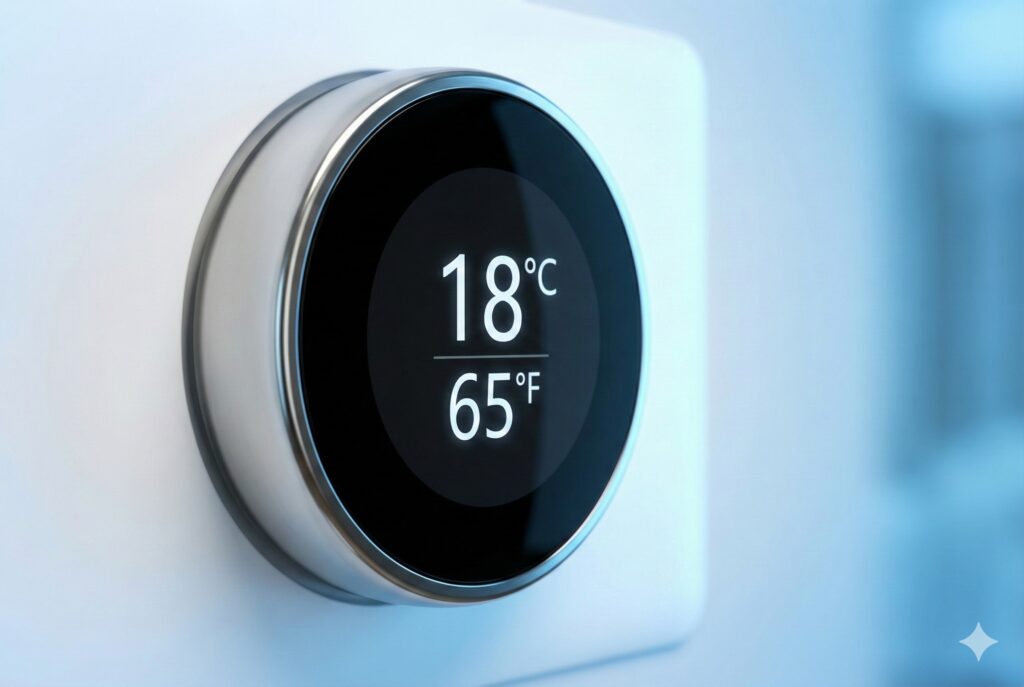
Science tells us the ideal sleeping temperature is around 18°C (65°F). It is worth getting a programmable thermostat to drop the temperature at night. It helps you sleep, and it saves on the heating bill!
You also need to control noise. A fan or a “white noise” machine can help.
And for the pet owners… I have seen the funny videos of cats waking their owners up at 3 AM. If your pets are disrupting your sleep, you have a hard choice to make. You might need to keep them out of the bedroom. Your health depends on your rest.
A Note on Partners:
If your spouse snores, don’t just wear earplugs. Snoring is often a sign of a blocked airway or poor neck posture. See point #7 below. I have had patients tell me their marriage was saved because their spouse started chiropractic care and finally stopped snoring!
4. What If I Can’t Fall Asleep? (The Fitness Connection)
When someone tells me they have insomnia, my first question is: “Did you move your body today?”
You have to earn your sleep. If you have a sedentary job and you don’t exercise, your body isn’t tired, even if your brain is exhausted.
Action Step: Move every day. But try not to do heavy workouts within 90 minutes of bed, or you might be too “revved up” to sleep.
Supplement Tip: I often recommend Magnesium Bisglycinate or Citrate (about 200-400mg) taken 60 minutes before bed. Magnesium is a mineral that helps relax your muscles and nervous system.
Research Note: Studies have shown that magnesium supplementation can improve sleep efficiency and sleep time in older adults. ¹
I prefer magnesium over melatonin. Melatonin is a hormone, and I prefer your body to make it naturally. Only use melatonin as a last resort during high-stress times.
5. The Digital Sunset

This is a big one for the Neurology pillar of 100+ Living.
Screens (TVs, phones, tablets) emit “blue light.” This blue light tricks your brain into thinking it is high noon. It stops your brain from making melatonin.
Action Step: Shut down electronics 60 minutes before sleep. Read a real book, talk to your family, or stretch.
6. Rhythm is Everything
Your body loves patterns. We call this the Circadian Rhythm.
In North America, we are horribly sleep-deprived. Some stats suggest that over 40% of people rarely get a good night’s sleep.
You need 7 to 9 hours. And you need it at the same time.
It takes about two weeks to set a rhythm. This means going to bed and waking up at the same time, even on weekends. Once you lock this in, your energy will skyrocket.
7. The Secret Weapon: Your Spine
Most people do not think about their spine when they think about sleep. They should.

At the 100+ Living Health Centre, we focus on the nervous system. Your nervous system has two modes:
-
Gas Pedal: Stress, fight, flight, awake.
-
Brake Pedal: Rest, digest, heal, sleep.
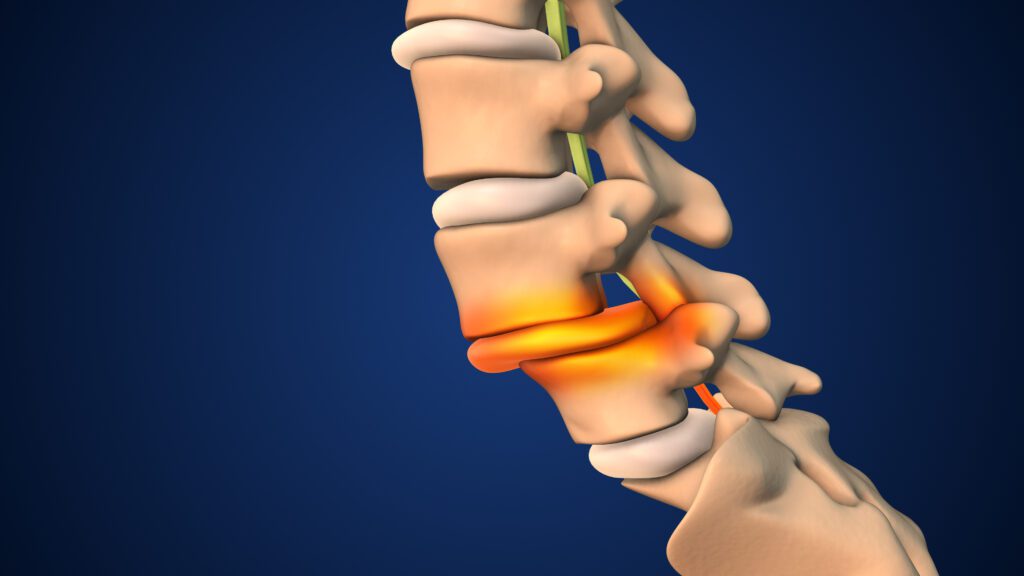
If your spine—especially your neck—is misaligned, it puts tension on your spinal cord. This keeps your body stuck on the “Gas Pedal.” You might feel tired, but your body is wired.
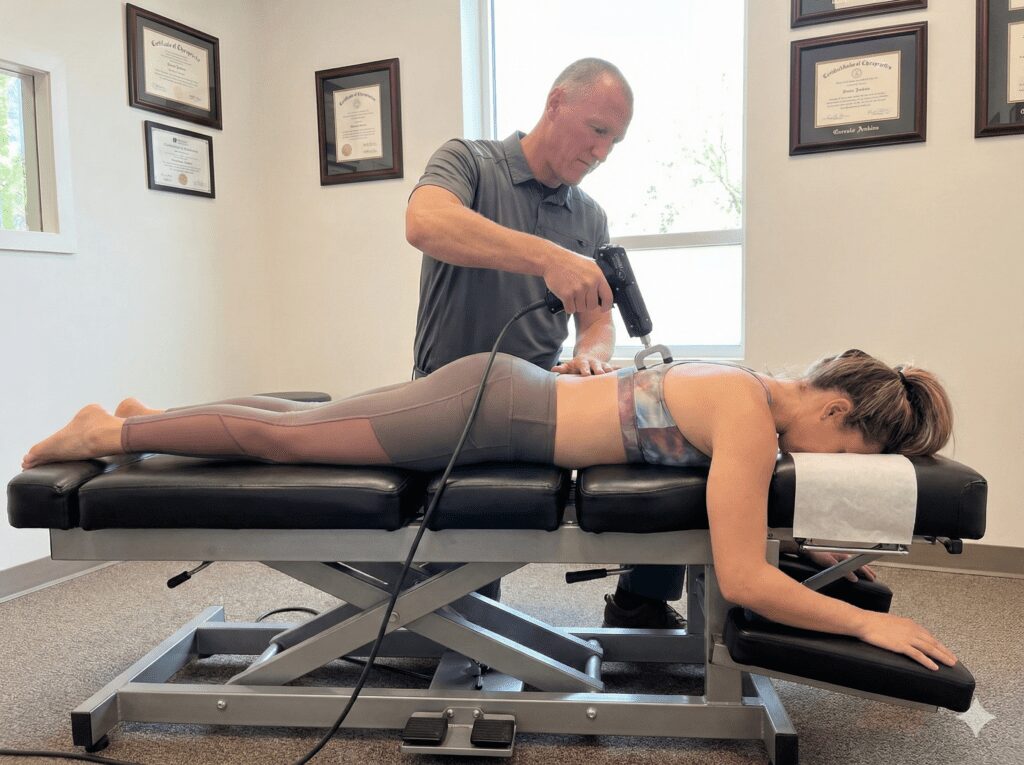
Chiropractic BioPhysics (CBP) is different. We don’t just crack backs; we restore the curve of the neck. When we take the tension off the spinal cord, the body can finally hit the “Brake Pedal” and rest.
Research supports this. There are studies showing that chiropractic care helps with sleep issues, likely because it reduces stress on the nervous system. ²
Take the Next Step
Don’t settle for temporary relief. Get care that helps correct the cause of your condition.
Step 1:
Start with a free 10-minute phone consult to discuss your symptoms and see if our approach is right for you.
Step 2:
Book your first comprehensive exam and consultation and get started.
The Bottom Line
You are responsible for your own health. No one can sleep for you.
If you are ready to fix your sleep, try these steps. If you want a chemical-free solution to help your body relax, come see us.
At 100+ Living, we are dedicated to natural strategies to help you function better so you can live longer.
References:
-
Behnood Abbasi et al. (2012). The effect of magnesium supplementation on primary insomnia in elderly: A double-blind placebo-controlled clinical trial. Journal of Research in Medical Sciences.
-
Kingston et al. (2010). Chiropractic care for infants with sleep disturbances. Journal of Clinical Chiropractic Pediatrics.