Most people hear the word anterolisthesis and immediately assume their spine is slipping forward so severely that surgery is the only option left. That fear can reshape how you think about your body. It can make every movement feel risky and every decision feel urgent. But what if that fear is only part of the story. What if a forward slipped vertebra can often be stabilized and improved through a structured, conservative approach grounded in biomechanics.
This is something I see every week in my Kelowna clinic. For nearly three decades, I have worked with patients who were told their diagnosis was hopeless or that surgery was their only path forward. Many walked in discouraged, exhausted, and unsure where to turn. Yet with targeted Chiropractic BioPhysics methods and a careful approach to spinal mechanics, many of them found measurable improvement in stability, mobility, and confidence.
People like Evelyn, who arrived with a significant ten millimeter slip at L5 to S1 and the belief that her spine was beyond help. After three months of CBP based traction, stabilization, and home support, her slip reduced by four millimeters. Her mobility improved, her pain levels decreased, and most importantly her hope returned. Or Jenny, a dedicated family counsellor who could not sit through a full session without constant interruptions to stretch. With structured CBP traction and stabilization work, she regained the ability to sit comfortably and regained her professional confidence. Or Peter, a gardener who once avoided stepping into his own backyard because bending and uneven terrain triggered pain. With non surgical structural correction, he now moves freely in the garden he had abandoned for years.
These are not unusual stories in a corrective setting. They are reminders that anterolisthesis is not always the emergency it sounds like. When you understand the mechanics behind the slippage and give your spine the right direction, structure, and support, real change can happen. You can regain the activities that pain and fear have quietly taken from your life, such as walking longer distances, enjoying travel, gardening with ease, or sitting through important family events without discomfort.
In this article, you will learn what a forward slipped vertebra actually is, why many people feel overwhelmed when they first hear the diagnosis, and how Chiropractic BioPhysics provides a systematic, measurable way to guide the spine back toward stability. You will see how structural traction, Mirror Image methods, and stabilization work as a unified system. You will also learn what movements to avoid, what patterns worsen the slip, and the simple corrective strategies that help you rebuild confidence and control. My goal is to give you a clear roadmap for stabilizing your spine without surgery, fear, or guesswork so you can return to the life your pain has been limiting.
What Is An Anterolisthesis?
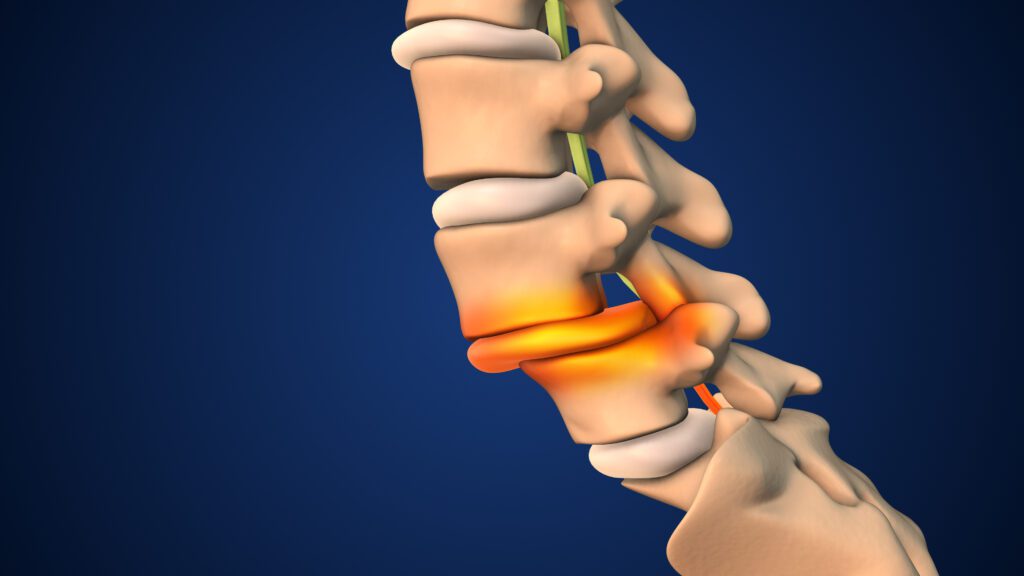
Anterolisthesis means that one vertebra has shifted slightly forward relative to the one below it. This forward shift changes the mechanical load on your spine. It alters how your joints move, how your discs absorb force, and how your muscles compensate. Even a small shift can create enough pressure to cause stiffness, nerve irritation, or radiating leg pain. The slip itself is not usually random. It is typically driven by mechanical patterns. This includes weakened stabilizing tissues, loss of proper spinal curvature, repeated extension based movements, old injuries, or accumulated shear forces over time.
For many people, the most frightening part is not the slip but the way the diagnosis is presented. People are often shown an X-ray quickly with little explanation. They leave believing their spine is fragile or that a surgical recommendation is the only rational choice. But the reality is more hopeful. Most slips that fall within mild to moderate ranges respond extremely well to conservative care when the care is structural, consistent, and based on real biomechanical measurements.
This condition becomes clearer once you see it not as a collapsing spine but as a mechanical alignment problem. Mechanical problems have patterns. They can be measured. And they can often be influenced through careful corrective forces and guided stability work. That is where Chiropractic BioPhysics becomes important. It does not guess. It measures, analyzes, and builds a correction plan that respects the way the spine absorbs force and the way soft tissues remodel over time.
Understanding Why the Diagnosis Feels Overwhelming
When someone is told they have anterolisthesis, the emotional impact is often stronger than the physical condition itself. Many people first hear the term during a rushed appointment where the conversation jumps from the X ray to injections, pain management, or surgical options. That experience leaves people frightened and uncertain. They walk out believing their spine is at risk of worsening with every step or bend. But the fear usually comes from the delivery of the diagnosis, not the diagnosis itself.
In my Kelowna practice, I often meet patients who arrive feeling intimidated and pressured, unsure of what questions to even ask. Once we slow down, look at their imaging carefully, and explain the mechanics in simple language, their breathing changes. Their shoulders drop. The fear begins to fade. When people understand why their symptoms behave the way they do, they feel more in control, and that alone becomes the first step in their recovery.
Understanding What This Pain Has Taken From You
Anterolisthesis does not only affect the spine. It affects your quality of life. It affects how you move, what you avoid, and how safe you feel in your own body. Many people gradually begin withdrawing from activities they once enjoyed. Gardening becomes uncomfortable. Hiking becomes intimidating. Standing to cook or clean feels exhausting. Traveling becomes something to worry about. Even sitting through family events can become difficult.
These losses compound over time. They can shrink your world and change how you think about your capabilities. But the restriction you feel is not a permanent condition. It is usually a signal that your body needs structured guidance and stability. When you use the right corrective system, many of these activities return naturally and safely. As a corrective care chiropractor in Kelowna, British Columbia, I see this transformation day after day as people regain mobility and confidence, sometimes after years of believing improvement was impossible.
Non-Surgical Treatment for Anterolisthesis
Many people are shocked to learn that most anterolisthesis cases do not require surgery. The reason so many people assume surgery is the only option is because they were never told about biomechanical solutions. They heard the medical route but not the structural one. Conservative care becomes far more powerful when it focuses on mechanics instead of general symptom relief.
This is where a second opinion becomes not only appropriate but valuable. A structural approach looks at how the vertebra is positioned, how forces travel through the spine, and what direction the body needs to stabilize. It works on restoring alignment, reducing shear forces, and teaching the spine to move in safer patterns. When you base your care on measurable mechanics instead of generalized exercises, the results often come faster and feel more predictable.
What Makes Chiropractic BioPhysics Different
Chiropractic BioPhysics stands apart because it begins with structure. This is especially important for anterolisthesis, which is a mechanical condition. It uses weight bearing X rays, digital posture scans, and detailed biomechanical measurements to measure posture distortions and spinal misalignments. Nothing is left to guesswork.
A major part of CBP is the Mirror Image system, which includes posture correcting exercises, adjustments, and traction. These components work together to gently guide the vertebra and surrounding tissues toward a more stable alignment. This is very different from general stretching or strength programs. Many common movements, especially repeated back bends, can worsen forward shear and irritate the unstable segment. When people understand this, their symptoms finally start to make sense.
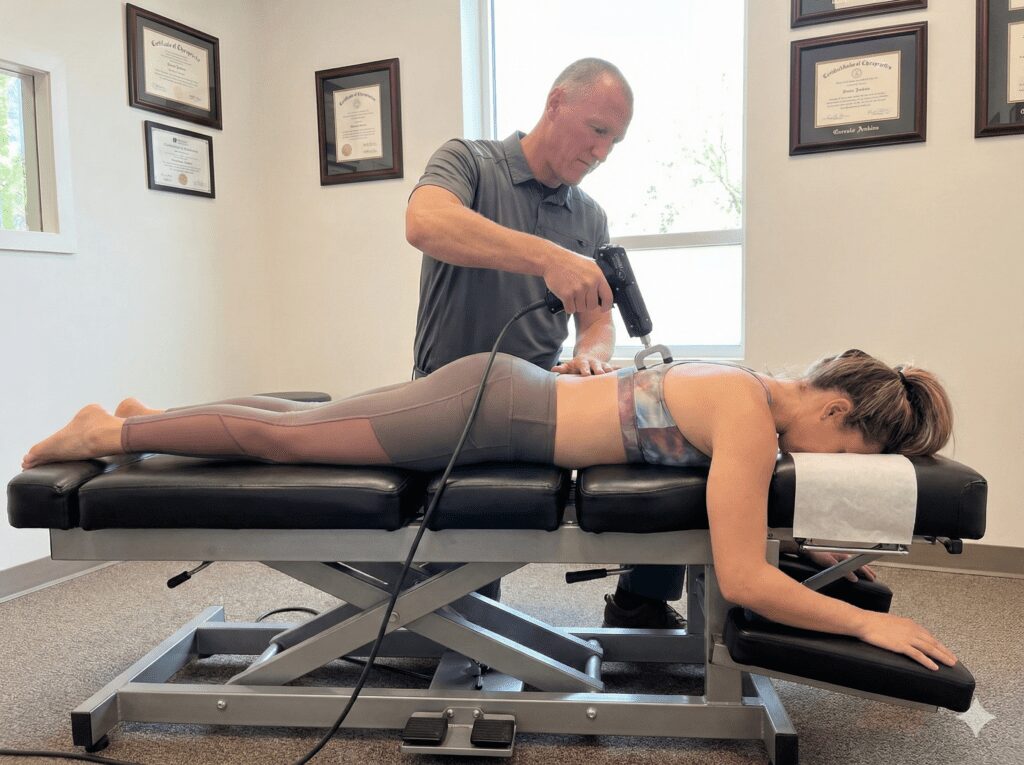
At 100+ Living Health Centres in Kelowna, we use a specialized doctor controlled traction system called Robo Trac. This system has multiple actuators that apply precise, targeted forces specifically designed to reduce forward shear while supporting the surrounding discs and ligaments. Every patient’s setup is customized based on their imaging and because each movement is controlled in real time, the process is both safe and highly specific. This level of precision is rare, and we are currently the only clinic in Western Canada using this Robo Trac system.
Real Published Proof That This Approach Works
Most people with anterolisthesis never hear about the research behind structural rehabilitation. In 2024, Dr. Curtis Fedorchuk published a case series in the Journal of Clinical Medicine involving three older adults with significant lumbar anterolisthesis.1 Their anterolisthesis slippage averaged 14.5 millimeters. After structured CBP care with Robo Trac traction, there was an average improvement to 4.2 millimeters. Pain levels dropped significantly, urinary urgency improved, and quality of life scores improved. These gains were maintained more than a year later, demonstrating long term stability.
This research highlights what we see in practice. When you respect spinal mechanics and use guided structural correction, the body can change in meaningful and lasting ways.
The Step by Step Process That Makes Correction Possible
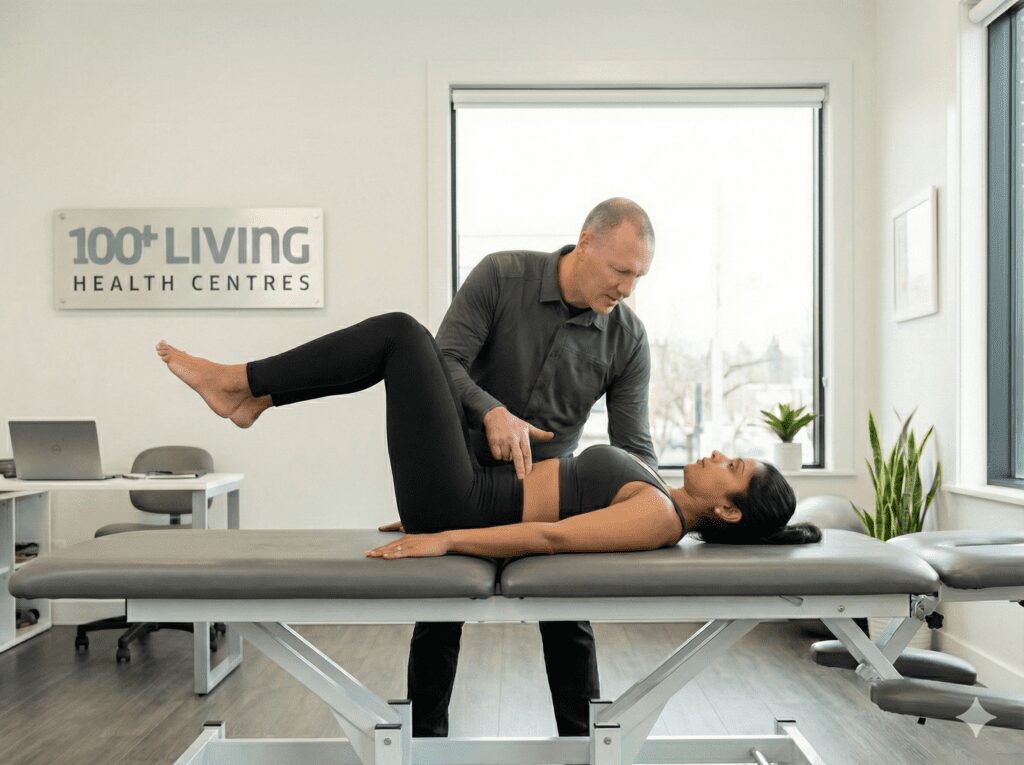
Correction begins with a detailed assessment. This includes a thorough history, a conversation about your goals, and a look at the fears you have developed. Then we use weight bearing imaging and postural scans to measure exactly how the anterolisthesis is affecting you. From there we build a personalized plan that uses Mirror Image exercises, Mirror Image adjustments, and traction. Everything is designed to avoid shear, avoid extension, and avoid the patterns that increase the instability.
Correction happens in phases. First, we calm irritation. Then we restore mobility. Then we build strength and stability. Each change is measured so you can see your progress with clarity. This structure gives you confidence, and confidence reduces fear. The process becomes a predictable path rather than a frustrating cycle of guesswork.
Why This Process Feels Simple and Safe
Even though the condition sounds serious, the corrective process often feels calming. The exercises are simple, controlled, and gentle. They are designed to take less than twenty minutes and avoid twisting, deep bending, or heavy loading. You progress according to your spine’s readiness, not according to a generic program.
Many people feel early improvements because the spine finally receives the direction it has been missing. Their nervous system relaxes. Their muscles stop guarding. Their movements feel safer. These early changes build trust, and trust becomes the foundation of lasting correction.
Why This Approach Surprises Many Patients
After years of pain and mixed advice, most people arrive expecting complex or painful treatments. Instead, they find clarity. They find a structured, logical approach that explains their pain instead of masking it. They see measurable changes. They regain small but meaningful wins. Their walking improves. Their sitting tolerance increases. Their confidence returns.
Most importantly, they regain hope. They begin to imagine a future where they move comfortably again. That mindset shift is often the turning point in their recovery.
Additional Tips or Lifestyle Advice
In my Kelowna clinic, I see many people unknowingly aggravate their anterolisthesis through everyday habits. Small adjustments can make a significant difference. Avoid deep back bends in yoga, Pilates, or fitness classes because extension based movements increase forward shear on the slipped vertebra. When standing from a chair, use your legs rather than bending backward through your spine. When lifting, hinge at the hips rather than arching through your low back. When gardening, keep your spine neutral rather than reaching forward repeatedly.
Simple daily awareness helps protect the unstable segment. Incorporating gentle core activation, supported walking, and predictable movement patterns ensures that your spine remains in a safer position throughout the day. Over time, these consistent habits support the corrective work and give your body the calm environment it needs to stabilize.
Role of Professional Care
Correcting anterolisthesis requires more than generalized stretches or strengthening. It requires a deep understanding of spinal biomechanics. As a corrective care chiropractor advanced trained in Chiropractic BioPhysics, my focus is on identifying the structural cause of the anterolisthesis and guiding the spine toward measurable improvement. Every step is based on imaging, real analysis, and decades of research and clinical experience.
Professional care becomes essential when the vertebra has shifted enough to affect stability, nerve function, or your ability to participate in daily life. A trained chiropractor can identify the movements that worsen your condition and the exact corrective forces needed to stabilize it. With advanced tools like Mirror Image traction and the Robo Trac system, we can provide a level of precision that is difficult to achieve with general therapy alone.
When to Seek Help
You should seek a professional evaluation when your symptoms begin interfering with everyday activities or when pain changes how you move. If you experience persistent low back stiffness, radiating leg pain, difficulty standing or walking for long periods, or discomfort during sitting, these are signs that your spine needs a more detailed assessment. If you feel your world becoming smaller because of fear or limitation, that is also a sign to reach out.
If you live in Kelowna or the surrounding region, professional corrective care can help you understand what is happening and give you a structured plan for improvement. You do not have to guess your way through this condition. With the right guidance, you can regain stability and begin moving with confidence again.
Nightly and Weekly Action Plan
A simple action plan helps reinforce the corrective work. Each night, spend a few minutes focusing on supported positions that reduce pressure through the low back. Using a small pillow behind the knees while lying on your back can ease tension and allow the spine to rest. Gentle core activation during the day teaches your muscles to support the unstable segment without strain. Weekly sessions of Mirror Image based home exercises reinforce alignment and teach the spine to hold improved positions. Regular walking at a comfortable pace increases circulation and encourages healthy spinal motion without shear.
These simple habits help guide your spine toward lasting stability and can be done safely alongside your corrective care plan.
Final Thoughts
Anterolisthesis can sound frightening, but once you understand the mechanics behind it, the fear begins to fade. Your spine is not failing. It is signaling that it needs structure, guidance, and a plan. With Chiropractic BioPhysics methods, many people experience measurable improvement and long term stability without surgery. I have seen patients regain mobility, confidence, and the ability to enjoy the activities they once avoided.
If you are dealing with anterolisthesis and want a clear, evidence based path forward, you can begin reclaiming your life. If you live in Kelowna or the nearby communities, I would be honored to help you understand your condition, guide your care, and support your recovery at 100+ Living Health Centres. You deserve to move confidently again and feel safe in your own body. Your next step can be a hopeful one. Reach out, schedule an appointment, and begin your path toward stability and comfort.
Dr. Graham Jenkins
100+Living Health Centres
Tel: 250-875-2225 (BACK)
Frequently Asked Questions
- What is the best treatment for anterolisthesis in Kelowna, British Columbia?
A. The most effective treatment depends on the severity and mechanics of your slip, but many mild to moderate cases respond extremely well to Chiropractic BioPhysics. In my Kelowna clinic, we use structural traction, Mirror Image exercises, and guided stabilization to reduce shear forces and restore alignment. - Can a chiropractor help a forward slipped vertebra without surgery?
A. Yes. When the approach is biomechanical and structured, chiropractic care can improve stability, reduce symptoms, and in some cases reduce the measurable slip. Chiropractic BioPhysics offers a detailed system that focuses on alignment and long term correction. - Is anterolisthesis the same as spondylolisthesis?
A. Anterolisthesis refers specifically to forward slippage. Spondylolisthesis describes any direction of vertebral slip. Understanding the direction is important because it determines what movements help and what movements worsen the instability. - What movements should I avoid if I have anterolisthesis?
A. Avoid extension based activities like deep back bends, repeated arching, or overhead lifting with an arched low back. These movements increase shear forces on the slipped vertebra. A corrective chiropractor can teach you safer movement patterns. - When should I worry about anterolisthesis symptoms?
A. If you experience persistent pain, leg symptoms, difficulty standing or sitting, or a sense of instability, it is time for a professional evaluation. Early assessment prevents worsening and helps guide you toward safe corrective care. - Can Chiropractic BioPhysics improve my quality of life if I have a significant slip?
A. Many patients with significant forward slippage report improvements in pain, function, stability, and confidence. Structural rehabilitation can help restore mobility and help you return to the activities you enjoy.
If you live in Kelowna, British Columbia, and want an evidence based, non surgical way to stabilize a forward slipped vertebra, contact my office at 100+ Living Health Centres. I would be happy to help you begin your path toward long term correction and renewed confidence in your spine.
Dr. Graham Jenkins
100+Living Health Centres
Tel: 250-875-2225 (BACK)
Reference:
1. Fedorchuk C. et al, Improvement in Pain, Quality of Life, and Urinary Dysfunction following Correction of Lumbar Lordosis and Reduction in Lumbar Spondylolistheses Using Chiropractic BioPhysics® Structural Spinal Rehabilitation: A Case Series with >1-Year Long-Term Follow-Up Exams, J Clin Med. 2024 Mar 30;13(7):2024.
https://pmc.ncbi.nlm.nih.gov/articles/PMC11012333/