A new word is entering the health and wellness conversation: neurowellness.
The Global Wellness Summit named neurowellness one of the major wellness trends of 2026. It describes a growing interest in helping the nervous system regulate, recover, and adapt before stress begins to affect everyday health and quality of life. (Global Wellness Summit)
For many people, neurowellness may sound like a completely new idea.
At 100+Living Health Centres in Kelowna, it describes work we have been doing for years.
Our focus has never been limited to chasing pain. We look at posture, spinal movement, balance, proprioception, structural alignment, breathing, recovery, and the quality of the sensory information travelling between the body and brain.
Through Advanced Certified Chiropractic BioPhysics® care, specific chiropractic adjustments, Mirror Image Exercises, Power Plate® training, 3-D spinal traction, and objective progress measurements, we work to provide useful inputs that may support better movement and nervous system adaptability.
We believe neurowellness is an important part of helping people live long, strong, vibrant lives.
What Is Neurowellness?
Neurowellness is an emerging health category centred on the brain, spinal cord, autonomic nervous system, sensory systems, and the body’s ability to respond to stress.
It brings together areas that have often been discussed separately, including posture, movement, breathing, sleep, balance, sensory stimulation, stress management, recovery, brain health, and nervous system regulation.
The Global Wellness Summit describes neurowellness as an upstream approach. Instead of waiting for nervous system exhaustion or reduced function, it focuses on building resilience and supporting the body’s ability to shift between activation and recovery. (Global Wellness Summit)
In plain language, neurowellness asks:
How well can your nervous system respond, recover, and return towards balance?
Your nervous system is constantly processing information. It monitors your environment, posture, movement, balance, breathing, pain, internal organs, and emotional state. It helps determine whether the body needs to become alert, take action, rest, recover, or conserve energy.
Stress itself is not always bad.
Exercise is a form of stress. Learning is a form of stress. Competition, change, and adapting to a new environment all place demands on the nervous system. A healthy nervous system should be able to increase activity when a challenge appears and settle again after the challenge has passed.
Problems may begin when the body struggles to move between these states. A person may feel constantly tense and alert, or they may feel drained, foggy, and unable to recover.
Neurowellness is about building greater capacity and adaptability rather than trying to avoid every form of stress.
Why Neurowellness Matters in Modern Life
Modern life creates an enormous amount of neurological input.
We sit for long periods. We spend hours looking down at phones and computers. We move less than previous generations. Many people sleep at inconsistent times while processing a constant stream of messages, news, deadlines, and social demands.
Even when the mind is trying to rest, the body may remain guarded.
The shoulders lift. The jaw tightens. Breathing becomes shallow. The head moves forward. The upper back rounds. Muscles stay tense, and sleep may feel less restorative.
Over time, people may begin to feel as if their internal volume has been turned up. They may feel restless, stiff, tired, easily overwhelmed, mentally foggy, or unable to relax fully.
Neurowellness does not suggest that we can remove every source of stress. Instead, it focuses on helping the body become better able to handle stress and recover from it.
That word matters: capacity.
A more adaptable nervous system is not calm every minute of the day. It becomes alert when alertness is needed and settles when the situation has passed.
This is why posture, movement, exercise, breathing, sleep, relationships, time outdoors, nutrition, purpose, and recovery all belong in the neurowellness conversation.
Posture Is More Than a Position
Most people think of posture as the position they hold when sitting or standing.
Posture is better understood as an ongoing neurological process.
Your brain is continually receiving information from your eyes, inner ears, skin, muscles, joints, and spine. It uses that information to understand where your body is in space, keep you upright against gravity, and co-ordinate movement.
This internal awareness of body position and movement is called proprioception.
You do not need to look at your feet to know where they are. You do not consciously calculate how much pressure to place through each leg when you stand. Your brain and nervous system process this information automatically.
Posture is part of that system.
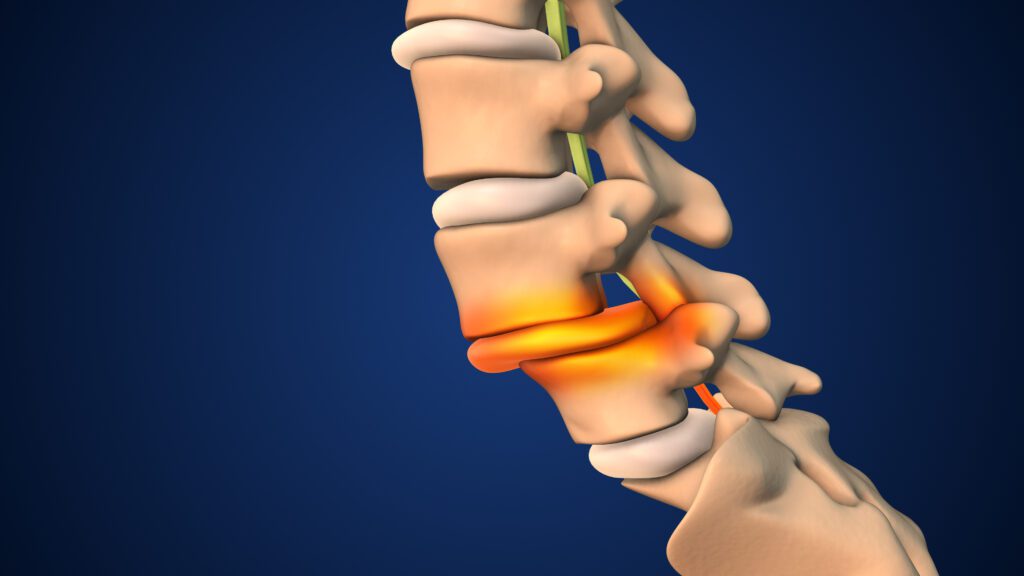
When posture changes, the sensory information reaching the brain may also change. Forward head posture, rounded shoulders, spinal stiffness, scoliosis, pelvic shifts, and loss of normal spinal curves may alter how the body loads its joints and how it moves through space.
This does not mean every postural change causes illness or nervous system dysfunction. It does mean that posture, movement, balance, and sensory processing are closely connected.
At 100+Living Health Centres, this relationship is summarized by a simple philosophy:
Posture = Neurology = Longevity.
Posture is not the only factor in neurological health or longevity, but it is an important part of the picture.
You can learn more about this connection on our page about posture correction in Kelowna.
How Advanced Chiropractic BioPhysics® Fits Neurowellness
Chiropractic BioPhysics®, often called CBP®, is an evidence-informed system of postural and structural rehabilitation.
Rather than providing the same treatment to every patient, CBP® uses objective findings to identify how an individual’s spinal alignment and posture differ from established biomechanical models.
An assessment may include posture analysis, balance testing, movement evaluation, range of motion, neurological examination, and weight-bearing digital X-rays when clinically appropriate.
The goal is to understand the individual pattern before recommending a correction.
A CBP® care plan may include Mirror Image Exercises, Mirror Image Adjusting, 3-D spinal traction, Denneroll orthotics, home rehabilitation, and progress imaging. The exact combination depends on the person’s structure, clinical findings, age, health history, and goals.
Dr. Graham Jenkins is Advanced Certified in Chiropractic BioPhysics® and has more than 30 years of clinical experience and Dr. Heinrich Henstock is Basic Certified in Chiropractic BioPhysics®. This advanced training allows our team to approach complex postural patterns through both structural and neurological lenses.
The connection to neurowellness is important.
When we address posture and spinal movement, we are not simply trying to change how someone looks. We are also working with the sensory information that the body sends to the brain.
Our goal is to provide better physical inputs, improve movement patterns, and help the nervous system develop a more accurate understanding of where the body is in space.
Learn more about our Advanced Certified CBP® approach.
Mirror Image Exercises and Brain Retraining
One of the defining features of Chiropractic BioPhysics® is Mirror Image rehabilitation.
A Mirror Image Exercise places the body in a direction opposite to the postural distortion found during the assessment. If the head has shifted in one direction, the corrective exercise may move it in the other direction. If the torso has translated or rotated, the exercise is selected to oppose that specific pattern.
These are not generic posture exercises.
They are chosen according to individual measurements, examination findings, and imaging when appropriate.
The purpose is partly mechanical, but it is also neurological. Repeated corrective movement gives the brain a different pattern of information from the muscles, joints, visual system, and balance system.
Over time, this practice may help the body become more aware of what a better-aligned position feels like.
This process relates to neuroplasticity, which is the nervous system’s ability to change and reorganize in response to experience. Learning a new movement, improving balance, practising a sport, and completing rehabilitation all depend on this ability.
When a person has held an altered posture for years, that position may begin to feel normal. A better-aligned position may initially feel strange because the brain has adapted to the older pattern.
Mirror Image Exercises are designed to challenge that old normal.
They allow the patient to practise a different position while receiving visual, muscular, joint, and balance-related feedback. This makes the person an active participant in their rehabilitation rather than someone who is simply having treatment done to them.
Explore how Mirror Image Exercises work and why they are different from general posture exercises.
Specific Chiropractic Adjustments and Sensory Input
Chiropractic adjustments are another form of sensory input.
Spinal joints contain receptors that send the brain information about movement, position, pressure, and tension. When joints become stiff or are not moving well, the information produced by movement may also change.
A specific chiropractic adjustment applies a controlled force with the goal of improving joint movement and providing a clear sensory stimulus.
Research has examined how spinal manipulation may influence sensory processing and sensorimotor integration. A study published in 2007 reported changes in cortical somatosensory processing following cervical spine manipulation, while a later study found changes in prefrontal sensory processing after manipulation of dysfunctional spinal joints. These findings are interesting, but researchers continue to study their clinical meaning and long-term importance. (PubMed)
At 100+Living Health Centres, an adjustment is not viewed as a stand-alone solution for every health concern.
It is one part of a larger corrective plan that may also involve exercise, traction, posture retraining, movement, balance, breathing, recovery, and lifestyle support.
This broader approach fits neurowellness because it focuses on the quality and variety of inputs the nervous system receives.
Why the Impulse® Adjusting Instrument Is Different
Not all chiropractic adjusting instruments are created equal.
Some handheld instruments rely mainly on a spring-loaded mechanism that delivers a single mechanical tap. The Impulse® Adjusting Instrument was developed differently. It is designed to deliver a rapid, controlled mechanical thrust with calibrated force settings, allowing the doctor to select the direction, location, and amount of input according to the patient’s examination findings.
The speed of the thrust matters because the nervous system responds to changes in movement, pressure, timing, and acceleration. A faster, shorter input can stimulate joint and movement receptors while using less overall displacement than many traditional manual techniques.
For patients, this often feels like a quick and precise impulse rather than a large twisting movement.
Neuromechanical Innovations, the developer of Impulse®, describes the technology as a research-based instrument system designed around biomechanics and neuromuscular response. Its newer Impulse iQ® technology uses sensors to monitor the response of the area being adjusted and modify the pulse rate and force delivery in real time. You can read more about the instrument’s development and technology on the Neuromechanical Innovations science and technology website.
This is an important difference. The instrument is not simply designed to strike the body. It is designed to provide a repeatable, measurable mechanical input that can be selected for a specific joint and patient.
What the Research Says About Impulse® Adjusting
The research on the Impulse® system includes laboratory biomechanics, force-delivery studies, spinal-motion studies, and clinical comparisons.
A study comparing the force-time characteristics of six commonly used handheld chiropractic instruments found meaningful differences in the forces and delivery profiles produced by different devices. This supports the point that the word “instrument” does not describe one uniform type of adjustment. Different instruments can produce very different mechanical inputs. You can review the study through PubMed: Comparison of Mechanical Force of Manually Assisted Chiropractic Adjusting Instruments.
Another study examined spinal motion produced by an Impulse® Adjusting Instrument. The researchers found that repeated impulse-type thrusts produced significantly greater multiaxial spinal motion than a single thrust in the laboratory model. The authors concluded that the findings provide biomechanical benchmarks supporting the clinical rationale for impulse-type instrument adjusting. The full study is available through PubMed Central: Increased Multiaxial Lumbar Motion Responses During Multiple Impulse Spinal Manipulation.
Clinical research has also compared mechanically delivered and manually delivered chiropractic adjustments. In a randomized clinical trial involving sacroiliac joint syndrome, researchers compared instrument-delivered adjustments with traditional manual adjustments. This type of research is valuable because it evaluates instrument-assisted care as an actual clinical intervention rather than looking only at the mechanics of the device. The study can be viewed through PubMed: A Randomized Clinical Trial of Manual Versus Mechanical Force Manipulation.
Neuromechanical Innovations also provides an extensive collection of research papers and technical information in its Impulse® White Papers library. Because this collection is provided by the device manufacturer, it should be viewed alongside independent peer-reviewed research rather than treated as independent proof by itself.
How Impulse® May Fit Into Neurowellness
At 100+Living Health Centres, we do not view the Impulse® instrument as simply a more comfortable way to adjust a joint.
We view it as one potential source of precise sensory input.
Every spinal joint contains receptors that provide information to the brain about movement, position, pressure, and speed. This information contributes to proprioception—your nervous system’s internal awareness of where your body is and how it is moving.
A rapid, controlled adjustment may stimulate these receptors and provide the nervous system with a clear movement signal. Research on spinal manipulation more broadly suggests that it may influence sensory processing, motor control, and the way the brain integrates information coming from the spine. Those findings are promising, but research has not yet shown that one instrument can independently “retrain the brain,” regulate every stress response, or create lasting postural correction.
That is why we use the Impulse® instrument as part of a larger neuro-adaptive rehabilitation strategy.
The adjustment provides one input. Mirror Image Exercises provide repeated active movement input. Power Plate® provides proprioceptive and balance-related stimulation. Corrective traction addresses the structural tissues of the spine. Home rehabilitation gives the brain and body an opportunity to practise the new pattern consistently.
Together, these procedures are designed to help the person experience, practise, and reinforce a healthier movement and postural pattern.
Impulse® Adjusting and Postural Retraining
A postural pattern does not usually change because of one adjustment alone.
Posture is controlled by a combination of spinal structure, muscle activity, joint movement, vision, balance, habit, and the brain’s internal map of the body. When a person has held an altered posture for years, that position may begin to feel normal even when it is not mechanically ideal.
The Impulse® instrument may help improve motion and provide targeted sensory input at selected spinal joints. We then combine that input with Mirror Image Exercises designed around the patient’s measured postural pattern.
This combination is important.
The adjustment may help create an opportunity for improved movement. The exercise asks the patient to actively use that opportunity. Repetition then helps the nervous system become more familiar with the corrected position.
For some patients, we also add Power Plate® training to increase proprioceptive stimulation while they practise their corrective movement. When clinically appropriate, 3-D spinal traction may be used to address the ligaments and other supporting tissues involved in the structural distortion.
This is how the Impulse® instrument fits into our larger neurowellness model.
It is not a stand-alone cure or a nervous system reset button. It is a precise, research-informed clinical tool that can be combined with active rehabilitation, posture correction, and objective measurement.
Why Precision Matters
For patients with complex posture patterns, scoliosis, spinal degeneration, sensitivity, or concerns about traditional manual adjusting, a carefully controlled instrument may offer important advantages.
The doctor can select the contact point, direction, and force setting. The thrust is delivered quickly and consistently. There is usually less twisting and less overall joint movement than with many manual adjustments.
That does not automatically make instrument adjusting better for every person. Some patients respond well to manual techniques, while others prefer or require a lower-force approach.
The most important question is not whether an instrument or a hand was used.
The important questions are:
Was the adjustment based on objective findings?
Was the correct area addressed?
Was the direction appropriate?
Was the force suitable for the patient?
Was the adjustment integrated into a complete rehabilitation plan?
At 100+Living Health Centres, the Impulse® Adjusting Instrument is one of the tools we may use within our Advanced Certified Chiropractic BioPhysics® approach. The instrument does not replace clinical judgement. It helps us deliver a controlled input within a broader plan focused on posture, movement, neurological adaptability, and healthy ageing.
That is what makes it relevant to neurowellness.
Power Plate® and Neuro-Proprioceptive Retraining
Another important part of our approach is Power Plate® whole-body vibration training.
When a person stands or performs an exercise on the platform, it produces small, controlled vibrations. The body responds with rapid muscular activity and a large amount of sensory information.
This creates a strong proprioceptive challenge.
Depending on the individual and the exercise selected, whole-body vibration may be used to support balance, muscle activation, coordination, strength, or joint-position awareness.
At 100+Living Health Centres, we may combine the Power Plate® with Mirror Image Exercises. This allows the person to practise a specific postural correction while the nervous system receives additional movement and balance-related input.
The purpose is not simply to make an exercise harder.
The goal is to encourage the brain and body to respond, adapt, and learn.
Research into whole-body vibration continues to evolve. Results differ according to the person, vibration settings, exercise selection, and length of the program. It should therefore be used thoughtfully as part of an individualized plan rather than promoted as a stand-alone solution.
Within a neurowellness program, Power Plate® technology may support an active form of neuro-proprioceptive retraining.
The patient is moving, balancing, adjusting, and participating in the process.
What About the Autonomic Nervous System?
The autonomic nervous system helps regulate many processes that happen without conscious effort, including heart rate, blood pressure, digestion, temperature regulation, and parts of the stress response.
It is commonly divided into sympathetic and parasympathetic branches.
The sympathetic branch helps mobilize the body when action is needed. The parasympathetic branch supports processes associated with rest, digestion, and recovery. These branches do not simply act like an on-and-off switch. They work together in a complex and changing system.
Some research has examined whether spinal manipulation influences measures of autonomic activity.
A 2024 systematic review found that spinal manipulation may affect certain autonomic measures, but it also noted differences among studies and limitations in the available evidence. A more recent review focused on thoracic manipulation found no statistically significant overall effect on autonomic markers. (PMC)
These mixed findings matter.
We should not claim that an adjustment can instantly reset the nervous system, switch off stress, or guarantee a parasympathetic response.
What we can say is that spinal care provides physical and sensory input, and research continues to investigate how these inputs may affect pain, movement, sensory processing, motor control, and autonomic function.
Neurowellness should be built on scientific curiosity and careful communication, not exaggerated promises.
Neurowellness Is More Than Relaxation
Many people hear the phrase “nervous system regulation” and assume the goal is to remain calm all the time.
That is not the goal.
A healthy nervous system needs range.
It should be able to become alert when you play a sport, respond to danger, solve a difficult problem, or complete an important task. It should also be able to settle when you eat, rest, sleep, recover, or connect with people you care about.
Neurowellness is about flexibility between these states.
Being constantly activated is not ideal. Being constantly exhausted, disconnected, or under-responsive is not ideal either. The goal is an appropriate response to the situation.
This is why nervous system wellness cannot be reduced to one adjustment, one breathing technique, one supplement, or one piece of technology.
A complete neurowellness strategy may include healthy spinal movement and posture, regular physical activity, strength training, restorative sleep, breathing practices, time outdoors, balanced nutrition, stress management, supportive relationships, meaningful activity, and appropriate professional care.
This broader view connects directly to the Eight Pillars of 100+Living:
Structural health.
Neurology and brain plasticity.
Movement and strength.
Nutrition.
Recovery and sleep.
Stress management.
Relationships and community.
Purpose and meaning.
These pillars form our blueprint for helping people remain active, independent, connected, and engaged throughout life.
What Nervous System Dysregulation May Feel Like
“Nervous system dysregulation” is now a popular phrase online, but it is not one specific diagnosis.
People may use it to describe feeling constantly tense, easily overwhelmed, restless, exhausted, unusually sensitive, mentally foggy, unable to relax, or disconnected from their body.
These experiences can have many possible causes.
Sleep problems, anxiety, depression, trauma, chronic pain, illness, hormonal changes, medication effects, nutritional issues, excessive training, and prolonged life stress may all play a role.
Anyone experiencing severe, persistent, or worsening symptoms should speak with an appropriate healthcare professional. Chiropractic care does not replace medical assessment, counselling, mental healthcare, or emergency care.
Our role is to assess the structural, movement, and neurological factors within our scope. We can examine posture, spinal mechanics, balance, proprioception, mobility, and the way physical stress may be affecting the body.
When appropriate, collaborative care may be recommended.
True neurowellness should not create professional silos. It should help each person receive the right care from the right professionals.
Who May Benefit From a Neurowellness-Focused Assessment?
A neurowellness-focused chiropractic assessment may be worth considering when someone feels that their body is not adapting as well as it once did.
They may notice persistent stiffness, muscle tension, reduced balance, recurring discomfort, limited mobility, forward head posture, shallow breathing habits, poor movement awareness, or difficulty recovering after work or exercise.
Young athletes may benefit from understanding how repetitive training is influencing posture, balance, and movement.
Adults who spend long hours at computers may benefit from assessing forward head posture, spinal stiffness, and sedentary habits.
Older adults may want to preserve balance, movement, confidence, and independence.
People coming through a demanding period of life may want to rebuild movement, sleep, and healthier physical routines as part of a larger recovery plan.
The purpose of an assessment is not to label every symptom as a nervous system problem. It is to identify measurable factors and determine whether posture correction, rehabilitation, or corrective chiropractic care may be appropriate.
Neurowellness, Longevity, and the Next Blue Zone
At 100+Living Health Centres, neurowellness is not simply a new marketing phrase.
It connects directly to our larger mission: helping create the next Blue Zone on the planet right here in the Okanagan.
Healthy ageing depends on adaptability.
We need to adapt to exercise, recover after stress, maintain balance, learn new movements, respond to changing environments, and remain connected to other people.
The nervous system is involved in all of it.
Posture and movement provide continuous information to the brain. Sleep supports recovery. Exercise challenges the system and helps maintain capacity. Relationships create connection. Purpose gives us a reason to remain involved in life.
This is why our work extends beyond pain relief.
We want to help people preserve movement, neurological function, balance, strength, confidence, and independence for as long as possible.
Neurowellness provides a helpful framework for that mission because it recognizes that health is not simply the absence of symptoms.
Health is the ability to adapt, recover, and participate fully in life.
A New Name for Work We Have Been Doing for Years
The wellness world may only now be giving neurowellness a clear name, but many of its principles are not new.
The nervous system needs movement.
The brain relies on sensory information.
The body needs challenge and recovery.
Posture affects how we move and interact with gravity.
Balance and proprioception can be trained.
Sleep, breathing, exercise, relationships, and purpose all influence resilience.
Chiropractic BioPhysics® brings several of these principles together through objective posture assessment, specific correction, Mirror Image rehabilitation, spinal traction, movement, and progress measurement.
It does not claim to address every source of stress or every neurological condition.
It offers a structured way to improve the physical and sensory foundation that supports posture, movement, and nervous system adaptability.
For us, that is neurowellness from the inside out.
Begin Your Neurowellness Conversation
You do not need to wait until your body is in crisis before paying attention to your nervous system.
If you feel stiff, tense, poorly balanced, physically overwhelmed, or concerned about your posture and movement, there may be value in looking deeper.
At 100+Living Health Centres in Kelowna, we use objective assessments to understand posture, spinal structure, neurological function, balance, and movement. When appropriate, we create personalized corrective plans using Advanced Certified Chiropractic BioPhysics®, Mirror Image rehabilitation, specific chiropractic adjustments, the Impulse adjusting instrument, Power Plate® technology, 3-D traction, and home exercises.
Every person and every case is different. No treatment can guarantee a particular response.
But better information can lead to better decisions.
Schedule a 15-minute pre-consultation discovery call with 100+Living Health Centres to explore whether our neurowellness and corrective chiropractic approach may be right for you.
Posture = Neurology = Longevity.
Designed for Health. Engineered for Longevity.
Frequently Asked Questions About Neurowellness
What is neurowellness?
Neurowellness is an emerging health category focused on supporting the brain and nervous system through movement, posture, sleep, recovery, breathing, sensory input, stress management, and other healthy lifestyle practices.
Is neurowellness a medical treatment?
Neurowellness is a broad wellness concept, not one medical treatment or diagnosis. Different practitioners may use the term in different ways. At 100+Living Health Centres, it refers to supporting posture, movement, proprioception, nervous system adaptability, recovery, and healthy ageing within our chiropractic scope of practice.
Can chiropractic care regulate the nervous system?
Chiropractic adjustments provide mechanical and sensory input to spinal joints and the nervous system. Research is investigating possible effects on sensory processing, motor control, pain, and autonomic measures, but results vary. Chiropractic care should not be presented as a guaranteed reset for stress or nervous system dysregulation.
How does posture affect the nervous system?
Posture depends on continuous communication between the brain, eyes, inner ears, muscles, joints, and spine. Changes in posture may alter movement, balance, joint loading, and the sensory information travelling to the brain.
What are Mirror Image Exercises?
Mirror Image Exercises are individualized movements that place the body opposite to a measured postural distortion. They are designed to support posture retraining and help the person practise a different movement and alignment pattern.
How does the Power Plate® fit into neurowellness?
The Power Plate® creates controlled vibration that stimulates muscles and movement receptors. When combined with appropriately selected exercises, it may support balance, muscle activation, proprioception, and neuro-movement retraining.
Is neurowellness only for people with pain?
No. Neurowellness may also be relevant to people interested in posture, movement, recovery, balance, performance, stress resilience, brain health, and healthy ageing. An assessment helps determine whether a particular approach is suitable.
References
Global Wellness Summit. The Rise of Neurowellness.
Global Wellness Summit. The Future of Wellness: 2026 Trends.
Haavik-Taylor H, Murphy B. Cervical spine manipulation alters sensorimotor integration. Clinical Neurophysiology. 2007.
Lelic D, Niazi IK, Holt K, et al. Manipulation of dysfunctional spinal joints affects sensorimotor integration in the prefrontal cortex. Neural Plasticity. 2016.
Sampath KK, Tumilty S, Wooten L, et al. Effectiveness of spinal manipulation in influencing the autonomic nervous system: a systematic review and meta-analysis. Journal of Manual & Manipulative Therapy. 2024.
Holt KR, Haavik H, Lee AC, et al. Effectiveness of chiropractic care to improve sensorimotor function associated with falls risk in older people. Journal of Manipulative and Physiological Therapeutics. 2016.
Niazi IK, Türker KS, Flavel S, et al. Impact of spinal manipulation on cortical drive to upper and lower limb muscles. Brain Sciences. 2017.
Colloca CJ, Keller TS, Black P, Normand MC, Harrison DE, Harrison DD. Comparison of mechanical force of manually assisted chiropractic adjusting instruments. Journal of Manipulative and Physiological Therapeutics. 2005.
Keller TS, Colloca CJ, Fuhr AW. Increased multiaxial lumbar motion responses during multiple-impulse mechanical force manually assisted spinal manipulation. Chiropractic & Osteopathy. 2006.
Shearar KA, Colloca CJ, White HL. A randomized clinical trial of manual versus mechanical force manipulation in the treatment of sacroiliac joint syndrome. Journal of Manipulative and Physiological Therapeutics. 2005.
Neuromechanical Innovations. Impulse® science, technology, and instrument information.
Neuromechanical Innovations. Impulse® research and white papers.
Take the Next Step
Don’t settle for temporary relief. Get care that helps correct the cause of your condition.
Step 1:
Start with a free 10-minute phone consult to discuss your symptoms and see if our approach is right for you.
Step 2:
Book your first comprehensive exam and consultation and get started.