As I look back over more than 30 years of working with clients and their families, I am reminded of something I saw every single year in practice. Around mid-November, I would start handing out an article titled “How the Next Six Weeks Will Determine the Next Six Months.” It was a simple but sober reminder that the period between late November and early January has a stronger impact on a person’s health, energy, finances, sleep, weight, posture, and emotional well-being than most people realize. After three decades of observing patterns, I have no doubt this six-week period acts as a turning point. It can either set up your next six months for strength and momentum, or derail your progress and leave you playing catch-up well into spring or even summer.
Every year I see the same trends. When December hits, people lose focus: they skip chiropractic care, stop working out, abandon their nutrition habits, overspend, cut sleep short, and allow stress to build. At the same time, Black Friday has grown into a cultural event designed to stimulate consumption, urgency, and impulse buying, and the holiday season encourages late nights, overeating, alcohol, sugar, and pressure to meet social expectations. I know it sounds cynical, but when you look at who benefits from people being exhausted, unhealthy, disconnected, and financially stressed, it is hard not to see the pattern. Retailers benefit. Credit card companies benefit. Certain industries dependent on illness or stress benefit. But individuals and families pay the price.
This is not an anti-holiday message, and it is not an invitation to become a Scrooge. It is simply the truth of what I have observed for three decades: these six weeks will either strengthen your body, mind, and finances, or weaken them.
Holiday Spending and Financial Stress
The data supports this too. Surveys show that 94 percent of Canadians expect holiday spending to cause financial stress, and more than half rely on credit cards to fund gifts, travel, and events. Credit card debt spikes in December and often takes months to pay off. The more financial pressure people carry into January, the harder it becomes to sleep, focus, plan, or commit to health goals. Stress on the wallet becomes stress on the nervous system, and the body responds accordingly.
Holiday Weight Gain and Activity Decline
On the health side, most people gain roughly one pound over the holidays, but studies show they rarely lose it afterward. When physical activity drops at the same time as eating increases, weight gain becomes almost guaranteed. This “holiday creep” contributes to long-term weight challenges, inflammation, and poor energy, which then affect posture, mobility, and recovery.
Stress, Mood, and Sleep Disruptions
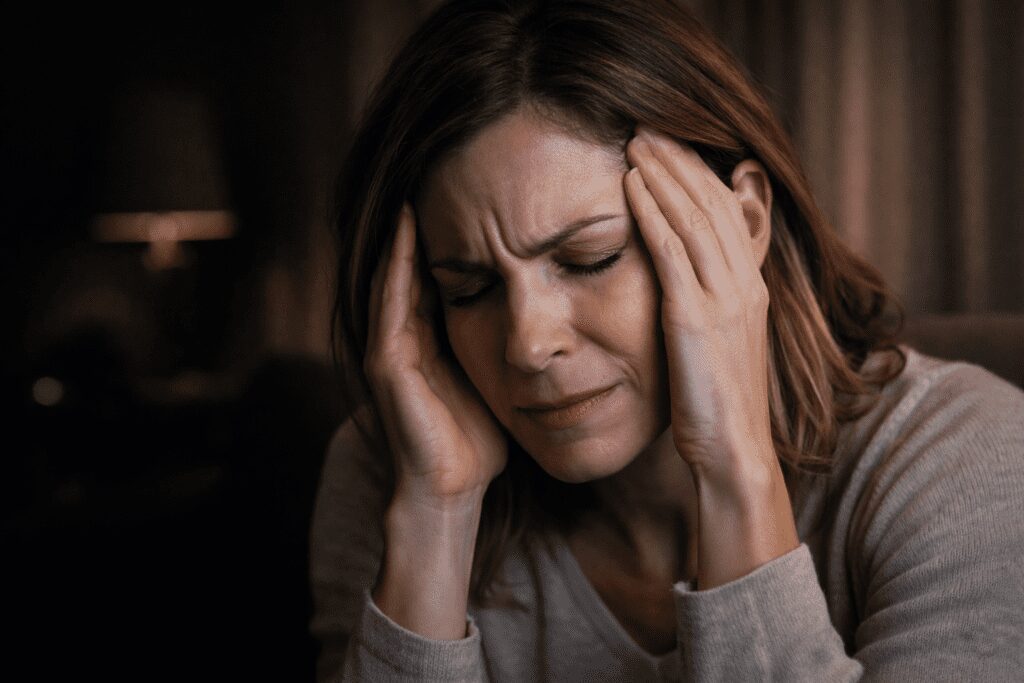
Stress also skyrockets. According to recent surveys, more than 80 percent of people report higher stress during the holidays, one in five say their stress is worse than last year, and at least half of Canadians report feeling anxiety, depression, or isolation during this season. Evening gatherings and social events lead to more alcohol consumption, which disrupts sleep, alters mood, affects heart function, and intensifies fatigue. Poor sleep is a major issue at this time of year: around 30 percent of people say they get less sleep during the holidays, and many report worsened mental and physical health because of it.
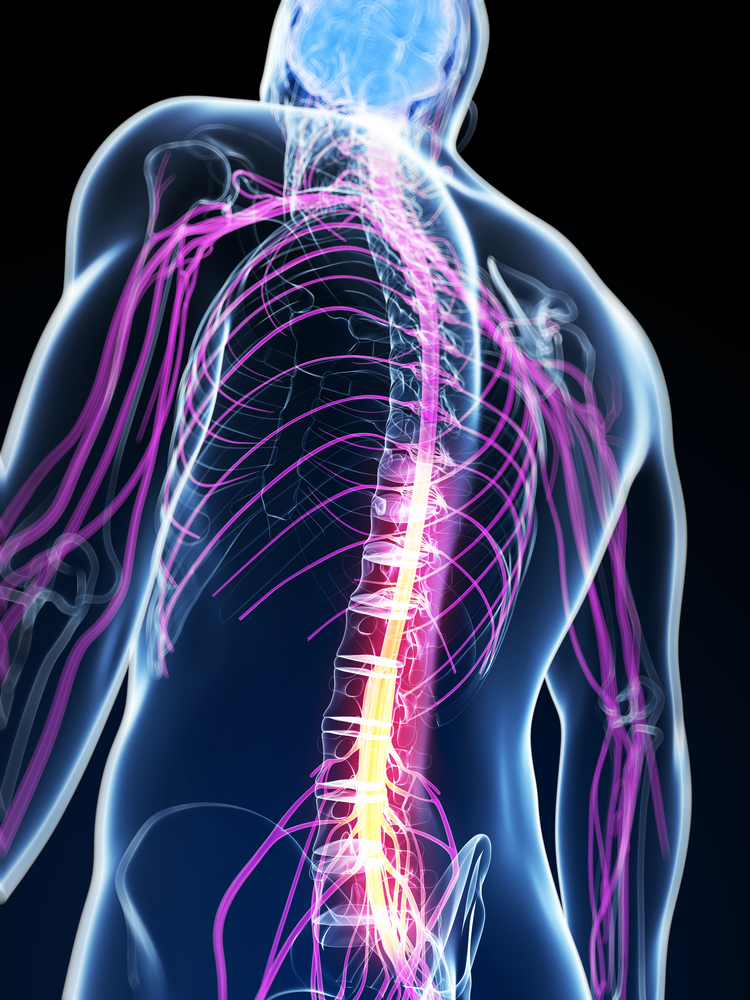
When you combine financial stress, poor sleep, overeating, reduced exercise, increased alcohol consumption, sugar overload, travel, late nights, and inconsistent routines, the nervous system becomes overwhelmed. When the nervous system is overwhelmed, the spine becomes more vulnerable, posture collapses, inflammation increases, and old symptoms return. This is why so many clients tell me in January, “I don’t know what happened — I was doing so well and now everything hurts again.” It is not mysterious. It is predictable. Those six weeks caught up with them.
The Impact of Skipping Chiropractic Care
One of the biggest challenges I see is people skipping their chiropractic adjustments because they are “too busy.” They feel pulled in every direction — work events, school concerts, travel, shopping, family gatherings — and they drop the one thing that keeps their spine, posture, and nervous system functioning well. Ironically, that is the time when their body needs support the most. When stress rises, the spine tightens. When posture breaks down, nerve pressure increases. When nerve pressure increases, sleep deteriorates, digestion worsens, recovery slows, focus declines, and mood becomes unstable. The nervous system does not care that it is the holidays. It simply reacts to whatever stress is placed on it.
Mattresses, Pillows, and Holiday Sleep Disasters
This is also the time of year when people sleep in strange places: guest beds, hotel mattresses, couches, or beds that are either too soft, too saggy, or too old. Canadians replace their mattresses roughly every decade, yet by ten years the average mattress has lost 75 percent of its structural integrity. Many people try to compensate for poor mattresses by using extra pillows, soft toppers, or unusual sleeping positions, but these do nothing to correct a misaligned spine. Stomach sleeping, which some articles still suggest is acceptable, is the fastest way to damage the natural curve in your neck and accelerate cervical arthritis.
Your pillow also matters more than most people realize. A poor pillow destroys the cervical curve, strains the spinal cord, irritates nerves, contributes to morning headaches, and worsens neck and shoulder stiffness. This is why I encourage many clients to invest in a proper orthopaedic pillow, particularly a custom one. The Headleveler custom pillow supports the neck correctly, maintains the natural cervical curve, reduces strain, and prevents the rotation and collapse that lead to poor-quality sleep. It is one of the most effective home tools for neck pain, shoulder stiffness, headaches, and restless sleep.
But even the best pillow or mattress cannot fix a misaligned spine. You cannot compensate for poor spinal alignment with bed accessories. If the spine is out of alignment, the nerves remain irritated and you will not sleep well, no matter what you purchase. This is the trap many people fall into: they spend thousands on a new mattress, only to discover the same pain, stiffness, and restless nights returning a few weeks later. The problem was never the mattress. It was the spine.
Why Corrective Chiropractic Matters Most During the Holidays
This is why corrective chiropractic care is so valuable during the holidays. When the spine is aligned and the nervous system is supported, the body can handle stress better. Sleep improves. Recovery improves. Mood stabilizes. Inflammation decreases. Digestion regulates. People often underestimate how much better the body functions when the nervous system is not overloaded. A small misalignment that feels manageable in November can become a major issue by January if you pile holiday stress, alcohol, sugar, poor sleep, and financial pressure on top of it. Corrective chiropractic care keeps your body stable so you can enjoy the season without sacrificing your health.
How to Stay Consistent During the Holidays
The good news is that you do not have to be perfect to stay healthy during the holidays. You simply need to be intentional. Maintaining your chiropractic schedule is the first step. Some clients even benefit from increasing their care frequency during this period because their spine is under more demand. Keeping some sort of sleep routine, even if imperfect, helps your nervous system remain regulated. Staying active — even short workouts, mobility sessions, or brisk walks — protects your mood, metabolism, and posture. Eating mindfully, rather than excessively, prevents weight gain and inflammation. Drinking in moderation rather than at every event prevents sleep disruption and reduces stress on your heart and nervous system. Planning your spending prevents the financial hangover that harms both mental and physical health. None of these require extreme discipline — just awareness.
Start January With Strength, Not Regret
If you can stay consistent — even at 70 percent — you can preserve the progress you made all year. You can enter January with energy, clarity, and stability instead of fatigue, frustration, and a long list of problems to fix. When you value your spine and your nervous system, everything else works better: digestion, sleep, mood, focus, mobility, and recovery.
As I tell clients every year, the next six weeks can determine the next six months. Not because the holidays are bad, but because they magnify whatever direction you are already facing. If you are grounded and intentional, the holidays can strengthen you. If you are distracted, overwhelmed, or inconsistent, the holidays can undo months of progress. My encouragement is simple: enjoy the season, but live intentionally. Protect your sleep, your spine, your finances, your nutrition, your movement, and your self-care. Your January self will thank you.
References
-
BDO Debt Solutions / CPA Canada. 2024 Holiday Spending Survey. Available at: debtsolutions.bdo.ca
-
Statistics Canada. Traditional credit card debt “hangover” following holidays. Available at: statcan.gc.ca
-
Hardlines Retail News. Consumers Getting Stressed About Spending at Christmas. hardlines.ca
-
Psychology Today. Holiday Weight Gain: Causes and Corrective Measures. psychologytoday.com
-
Sleepopolis. 2024 Holiday Stress Survey. sleepopolis.com
-
Canada Life. Managing Stress Over the Holidays. canadalife.com
-
Statistics Canada. A toast to the holiday season. statcan.gc.ca
-
Clinical literature on Holiday Heart Syndrome. Summary available at: en.wikipedia.org/wiki/Holiday_heart_syndrome
-
Better Sleep Council of Canada. Mattress lifespan research and consumer guidance. bettersleep.ca
-
Sleep Science & Spine Health Research Summaries (various).