Planning for Your Future Health: The Decisions That Shape How You Age
Have you ever stopped and thought about what your future health is actually going to look like?
Not in a vague way, not in a hopeful way, but in a real, practical sense.
Because if there’s one thing I’ve learned over more than 30 years in practice, it’s this. . . the way we age is not random. It’s not luck. It’s not something that just “happens” to us one day.
It’s the result of the small decisions we make consistently over time.
And yet, culturally, we’ve drifted into this mindset where we’re encouraged to live almost entirely in the present. Enjoy today. Don’t worry about tomorrow. Just deal with things as they come.
There’s some truth in that. Of course there is.
But when that mindset becomes the only lens we look through, we start ignoring something important. . . planning for future health.
Living in the Moment vs Planning for the Future
There’s nothing wrong with being present. In fact, it’s necessary.
But if we only focus on today, we end up making short-term decisions that quietly shape a long-term reality we didn’t intend.
You see it in finances all the time. People spend freely today and then spend years trying to recover.
Health works the same way.
Ignoring small issues, brushing off warning signs, delaying action. . . it feels harmless in the moment. But over time, those choices stack up.
And when it comes to spinal health, those patterns tend to show up in very predictable ways.
What Happens If You Ignore Back Pain?
This is one of the most common questions people don’t ask themselves early enough.
What happens if you ignore back pain?
At first, not much. Maybe it comes and goes. Maybe it’s manageable. Maybe it’s just “one of those things.”
But the reality is, untreated back pain rarely stays the same.
It usually progresses.
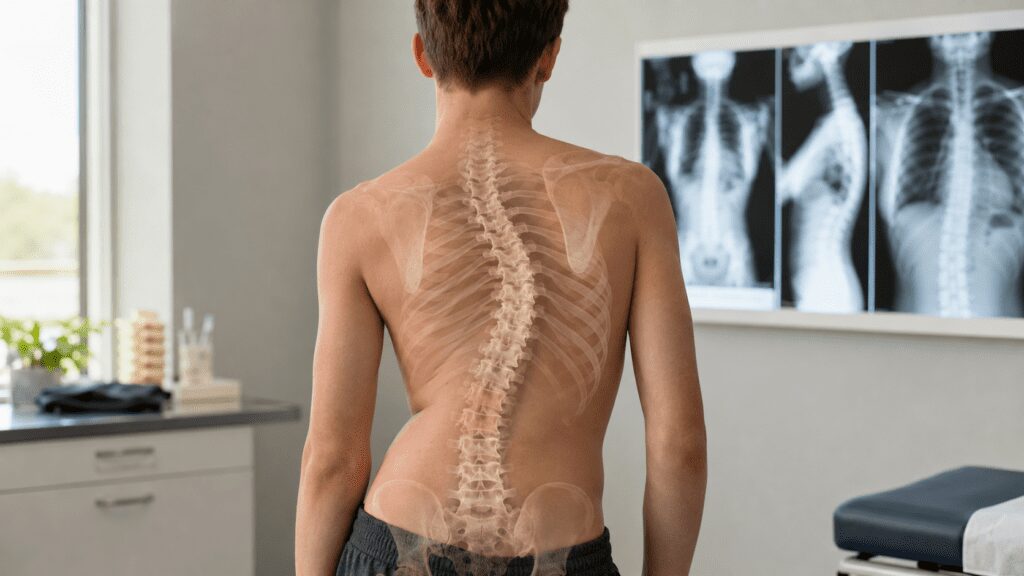
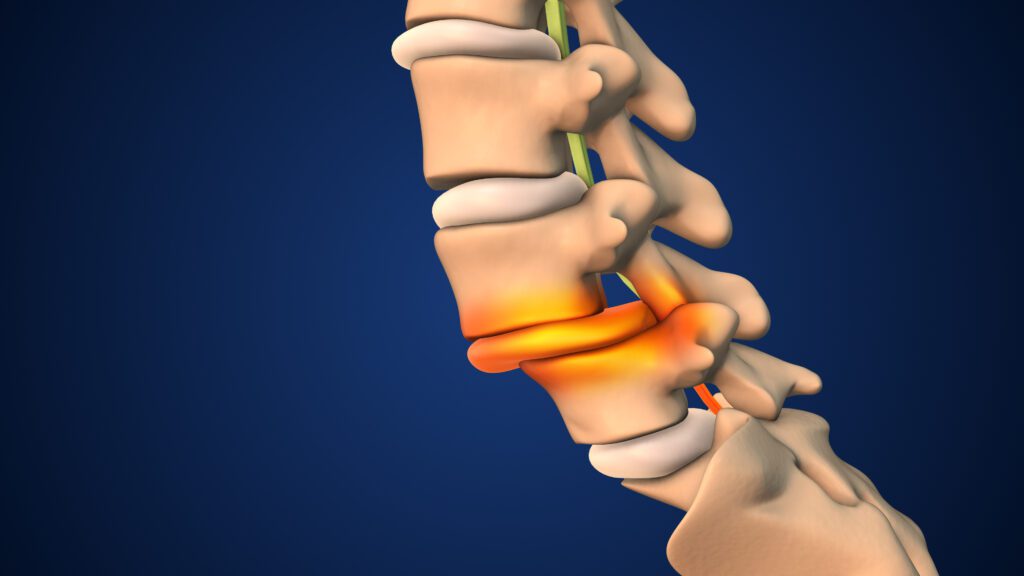
Back pain getting worse over time isn’t a coincidence. It’s often the result of underlying structural problems that haven’t been corrected. The spine shifts, posture breaks down, and the nervous system starts to feel the effects.
This is where people begin to experience more than just discomfort.
They notice stiffness. Reduced mobility. Fatigue. Pain that starts to travel, sometimes into the legs.
That’s when conditions like sciatica begin to show up, which is why we’ve created a dedicated resource on sciatica treatment.
The mistake isn’t having the problem.
The mistake is waiting too long to address it.
The Long-Term Effects of Untreated Spinal Problems
When we talk about long term health planning, we need to think beyond symptoms.
Because symptoms are often the last thing to show up.
The real issue is structural change.
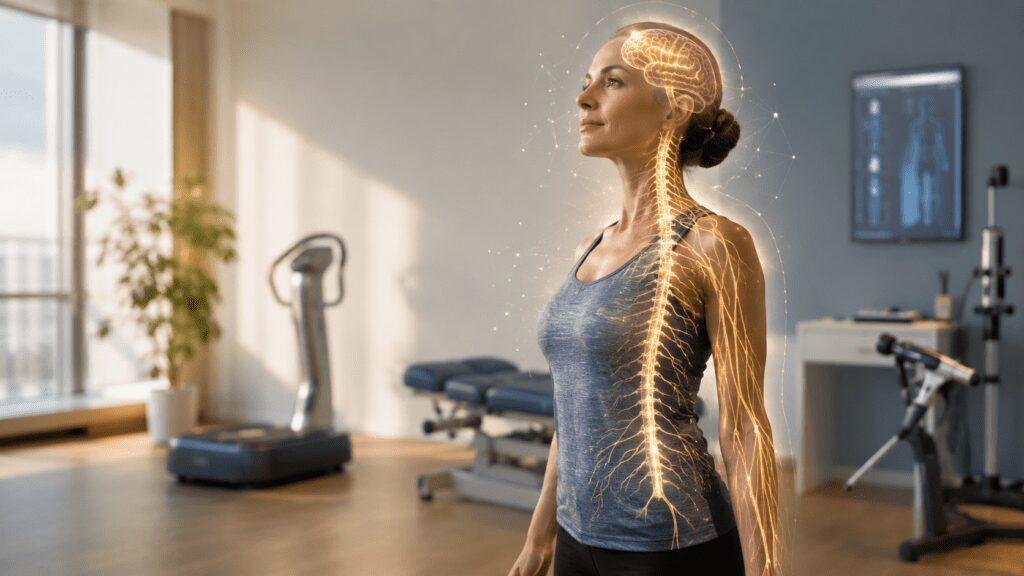
When spinal alignment deteriorates over time, it affects how the nervous system functions. And when the nervous system is under stress, the body doesn’t perform the way it should.
That’s when you start seeing the bigger picture.
Reduced activity.
Less confidence in movement.
A gradual withdrawal from things you used to enjoy.
And eventually, a decline in quality of life as you get older.

This is what happens when spinal problems are ignored.
Not overnight. Not dramatically.
But slowly, consistently, and predictably.
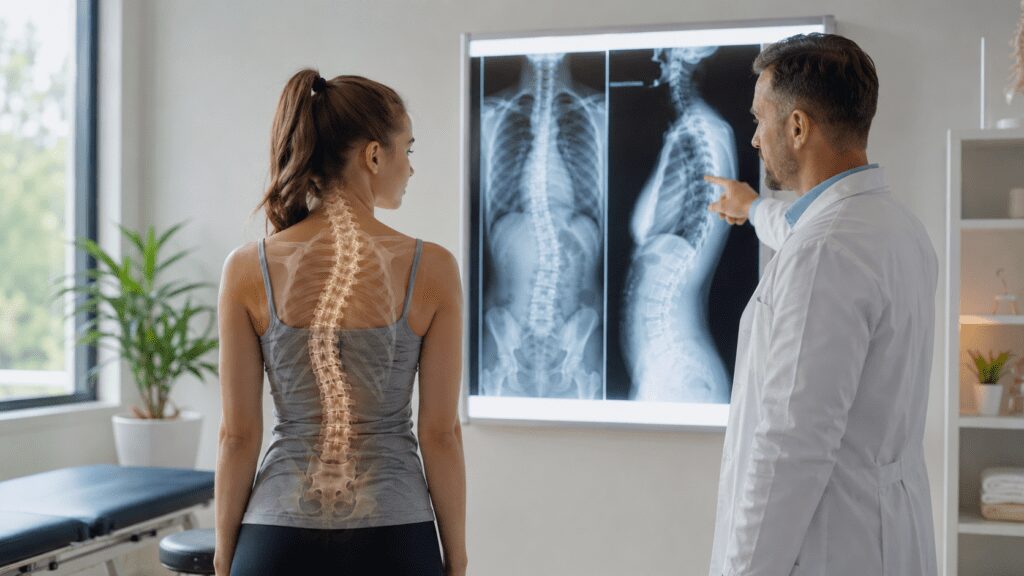
You can see from the above image of a before and after case, the change doesn’t have to be dramatic to have a big impact on your quality of life. This patient went from exercise induced asthma to breathing well with no problems with exercise and as you can see from the xrays, there was a little bit of over correction — which is never a bad thing because the forces that were pulling her down are still part of her life.
Joan, June, and Ron: Three Different Futures
Over the years, I’ve seen this play out countless times.
Different people, different backgrounds, but very similar decision points.
I often think about three individuals in particular.
Joan came in with sciatic pain that had been building for a couple of years. She understood the medical system well, but what she hadn’t found yet was a structural solution.
By the time she started care, things were getting worse, and she was genuinely concerned about her future mobility.
She made a decision at that point.
Not just to get out of pain, but to invest in her health long term.
Fast forward, and she’s active, engaged, and keeping up with her grandkids almost daily.
That didn’t happen by accident.
That was a result of proactive health decisions.
June
June was different.
Her spine showed more advanced degeneration than Joan’s, but her pain wasn’t as severe yet.
And that’s often where people get caught.
If it doesn’t hurt enough, it doesn’t feel urgent.
She chose not to follow through with care.
Not because she didn’t understand, but because she wasn’t ready to commit the time or resources.
I don’t know exactly where she is today.
But I do know how those cases tend to progress.
Ignoring spinal problems has consequences, even if those consequences don’t show up right away.
Ron
Ron’s situation was even further along.
He had seen multiple providers, tried different approaches, and was on the edge of long-term disability.
He was frustrated, discouraged, and honestly, not expecting much.
But he made a different decision.
He committed to the process. He followed through. He stayed consistent.
And over time, things changed.
He got his life back.
That’s what investing in your health can look like when it’s done properly.
The Shift From Reactive to Proactive Health
One of the biggest changes I’ve seen in healthcare is the shift people need to make from reactive to proactive thinking.
Most people wait until something is wrong.
Then they try to fix it quickly.
But long term health doesn’t work that way.
It requires planning.
It requires consistency.
It requires understanding that what you do today directly affects how you move, function, and live 10, 20, or even 30 years from now.
That’s why posture correction plays such a critical role.
If you want to understand how structural correction works, this is a good place to start on posture correction.
Because posture isn’t just about how you look.
It’s about how your body functions under load, over time.
Healthy Aging Isn’t an Accident
People often ask how to stay active as they age.
The answer isn’t complicated, but it does require discipline.
You take care of your structure.
You stay consistent with movement.
You make health choices for the future, not just for today.
Seniors staying active and mobile don’t get there by chance.
They get there by making better decisions earlier.
That’s what aging well naturally looks like.
And it’s available to more people than they realize.
Living to 100 in Good Health
At 100+Living Health Centres, this isn’t just a concept we talk about.
It’s a standard we build toward.
Living to 100 in good health isn’t about extreme measures.
It’s about doing the right things consistently.
It’s about addressing problems early.
It’s about understanding that your spine and nervous system are central to how your body performs.
And it’s about working with a team that understands how to correct structure, not just manage symptoms.
If you want to explore the different ways we approach care, you can learn more here on our services page.
If You’re Ready to Stop Guessing
A lot of people spend years trying to piece their health together.
Different treatments. Different providers. Different approaches.
Some help. Some don’t.
But if you’ve reached the point where you’re ready to take a more structured, clinically sound approach, it might be time to look at things differently.
If you’re tired of shopping for a good chiropractor in Kelowna, and you’re looking for clinical excellence backed by experience, we’ve built 100+Living Health Centres to be exactly that.
This isn’t about quick fixes.
It’s about long term health planning and real correction.
You can call us directly at 250-875-2225 to start that conversation.
Take the Next Step
Don’t settle for temporary relief. Get care that helps correct the cause of your condition.
Step 1:
Start with a free 10-minute phone consult to discuss your symptoms and see if our approach is right for you.
Step 2:
Book your first comprehensive exam and consultation and get started.
The Question That Matters
At some point, everyone faces the same question.
Not just how long do you want to live… but how well do you want to live?
Because there’s a difference.
And the choices you make today will determine the answer.
So the real question is…
Are you making decisions for the moment?
Or are you making decisions for the future you actually want?